
Prepare to design learning experiences, integrate artificial intelligence into education, and lead the digital transformation of schools, universities and organizations.
Tuition set by your country, up to 81% offFull breakdown
Enroll NowFlorida CIE License #12506 · ASIC-accredited · Start any day
Four fields. No intake dates to wait for.
You pay one term at a time, and each term can be split.
Schools, universities and companies are all delivering learning at a distance now, at a scale and with tools that did not exist when most of their staff were trained. Most are improvising. The people who can design learning that genuinely works remotely, and who understand what AI changes about how people learn and how work is assessed, are being asked to lead, largely because there is almost no one else to ask.
Teaching a class and designing a learning experience for hundreds of people at a distance are different disciplines. The program grounds you in how people actually learn (learning theories, cognitive neuroscience and emotional intelligence) and then in applying AI and digital tools to that knowledge, with the ethical judgment today’s classroom demands. You leave able to design learning, not only deliver it.
Schools and universities need educators who can lead digital and AI-driven change. So do companies, whose training and learning-and-development teams look for exactly this profile. Few master’s degrees prepare you as credibly for both, or move you as directly from the classroom toward instructional design, coordination and academic leadership.
Instructional designer, learning technology lead, academic coordinator, and corporate learning and development manager.
AGTU (American Global Tech University) is licensed by the Florida Department of Education, Commission for Independent Education, and accredited by ASIC in the United Kingdom. Your completion documents read the same whether you studied from Lima or from Lagos.
A through F, not pass/fail. Moving faster does not mean being assessed more loosely: assessments are proctored, and projects are graded against published rubrics. What changes is the pace, not the standard.
The Intensive pace takes about six months; the Standard pace, about nine. You are not charged more for taking longer or less for finishing sooner: the price is fixed for the whole program, so the calendar stops being a financial decision and becomes your own again.
Start any day, with no intake dates. Finish in about 6, 9, or 12 months for the same total price, paid as a first payment plus 18 monthly payments. Students in more than 21 countries are already enrolled.
The Free Competency Program gives you the first two courses of the degree at no cost, with a tutor and a certificate you keep. If you continue, they count toward your degree and the $48 enrollment fee is waived.
Every course in the Master in Education and AI is designed and taught by the professors below: experienced professionals, most with a PhD in their field, working to the academic standards set by our Provost.
The same faculty members teach in every country, whatever you pay.
Tuition, fees, and materials are in the price for your country. The only other charge is the $48 enrollment fee, and it is waived when you start through the free competency.
Each term ends with an assessment. At the Intensive pace, a term takes about four weeks; at the Extended pace, it takes longer. The content and the assessment are the same either way.

What you learnHow the brain learns, and how digital skills and AI change the way people pay attention, remember and understand.
What it gives youYou design teaching around how learning actually happens, not around habit.
What you learnThe difference between what is taught and what is learned, and how to close the gap between the two.
What it gives youYou stop measuring a class by what you covered and start measuring it by what students can do.
What you learnHow schools, universities and training teams reorganize around digital tools and AI.
What it gives youYou can lead the change instead of having it imposed on your classroom.
What you learnHow digital culture shapes the way students relate, communicate and build their identity online.
What it gives youYou understand the world your students live in before they walk into class.
What you learnWhat AI is, the main types of systems, and what they cannot do.
What it gives youYou can separate what AI really does for education from what is being sold to schools.
What you learnHow to choose and use technology in the classroom, from learning platforms to immersive environments.
What it gives youTechnology earns its place in a lesson because it improves learning, not because it is new.
What you learnThe ethical questions AI raises in education and society: privacy, bias, authorship and responsibility.
What it gives youYou can set the rules for AI use in your institution, and defend them.
What you learnThe main theories of how people learn, and the teaching methods that follow from each one.
What it gives youEvery choice you make in a lesson has a reason you can explain.
What you learnHow new knowledge and technologies reach education, and how to evaluate an innovation before adopting it.
What it gives youYou lead innovation in your institution with evidence instead of trends.
What you learnHow education systems around the world are organized, compared and changed by policy.
What it gives youYou see your own system from the outside, and bring back what works elsewhere.
What you learnHow to plan teaching for students with special needs, and how technology and AI can support inclusion.
What it gives youInclusion stops being a policy on paper and becomes a practice in your classroom.
What you learnHow emotions affect learning, and how to develop self-awareness, empathy and self-regulation, in yourself and in your students.
What it gives youThese are the human skills AI cannot replace, and the ones students remember.
 edX content
Your AGTU master’s program includes complementary content from the edX course catalog, a platform founded by Harvard and MIT, to broaden your learning experience.
More than 2,000 courses are available in the edX catalog. The Master in Education and AI draws on the ones that match its subjects, each with its own certificate.

Creativity isn’t learned from ready-made formulas. It grows out of curiosity and experience. At AGTU, we develop global leaders who learn by creating, researching, and turning knowledge into practice.
Every course is graded on a 4.0 scale, not pass/fail. The minimum passing grade is C-.
Each of the six terms ends with a proctored assessment.
You see the grading criteria before you submit your work.
Doctoral and master’s degrees, listed with their institutions in the catalog.
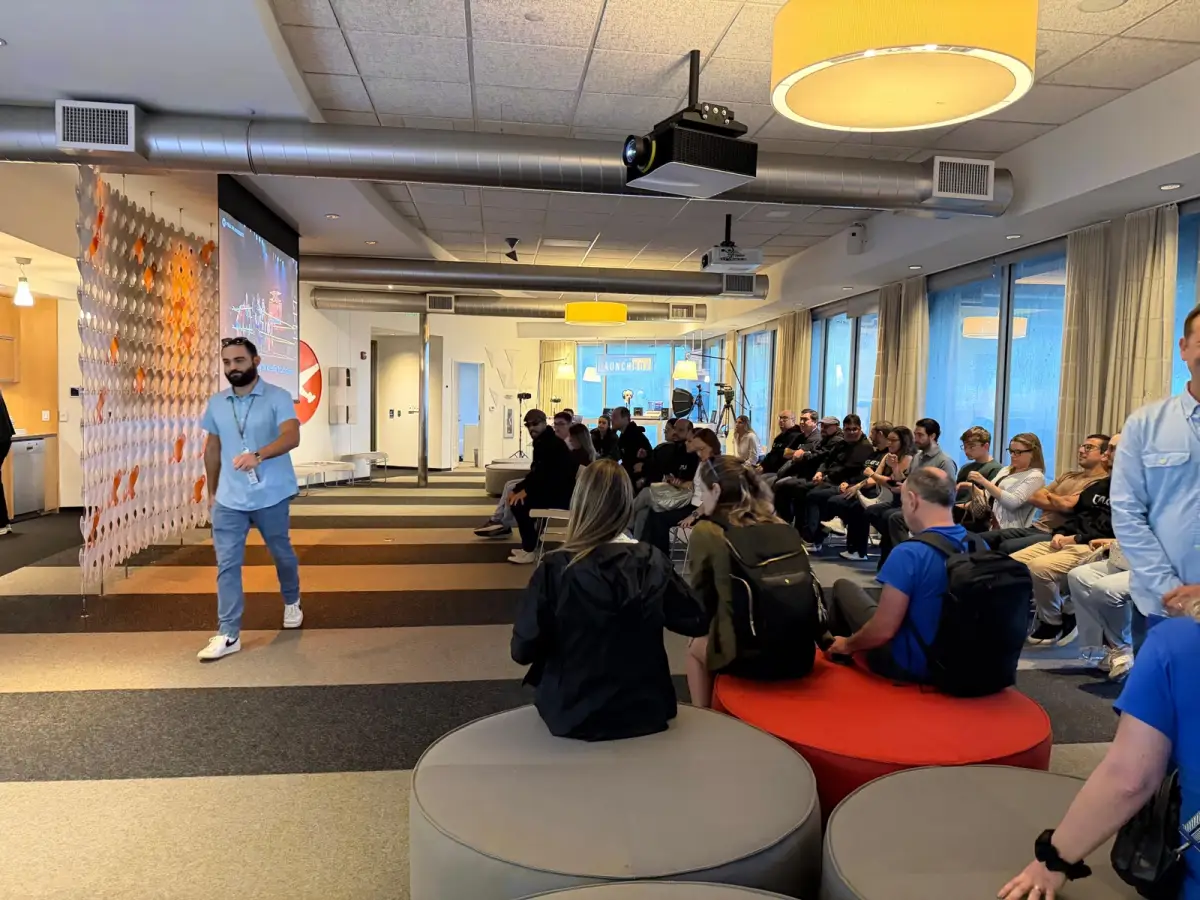
An in-person immersion in the United States: lectures on campus, visits to companies, and time with faculty and classmates from other countries, where what you study online meets practice.

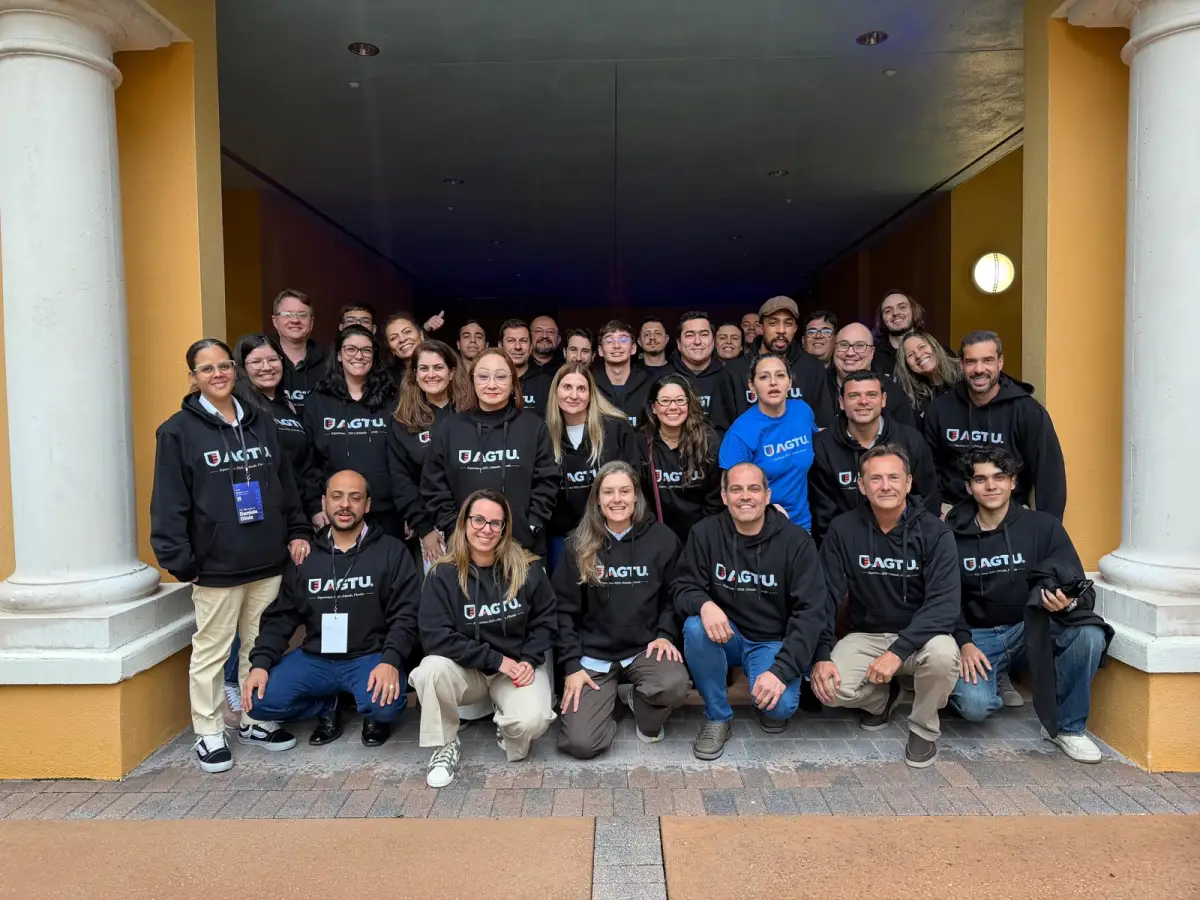
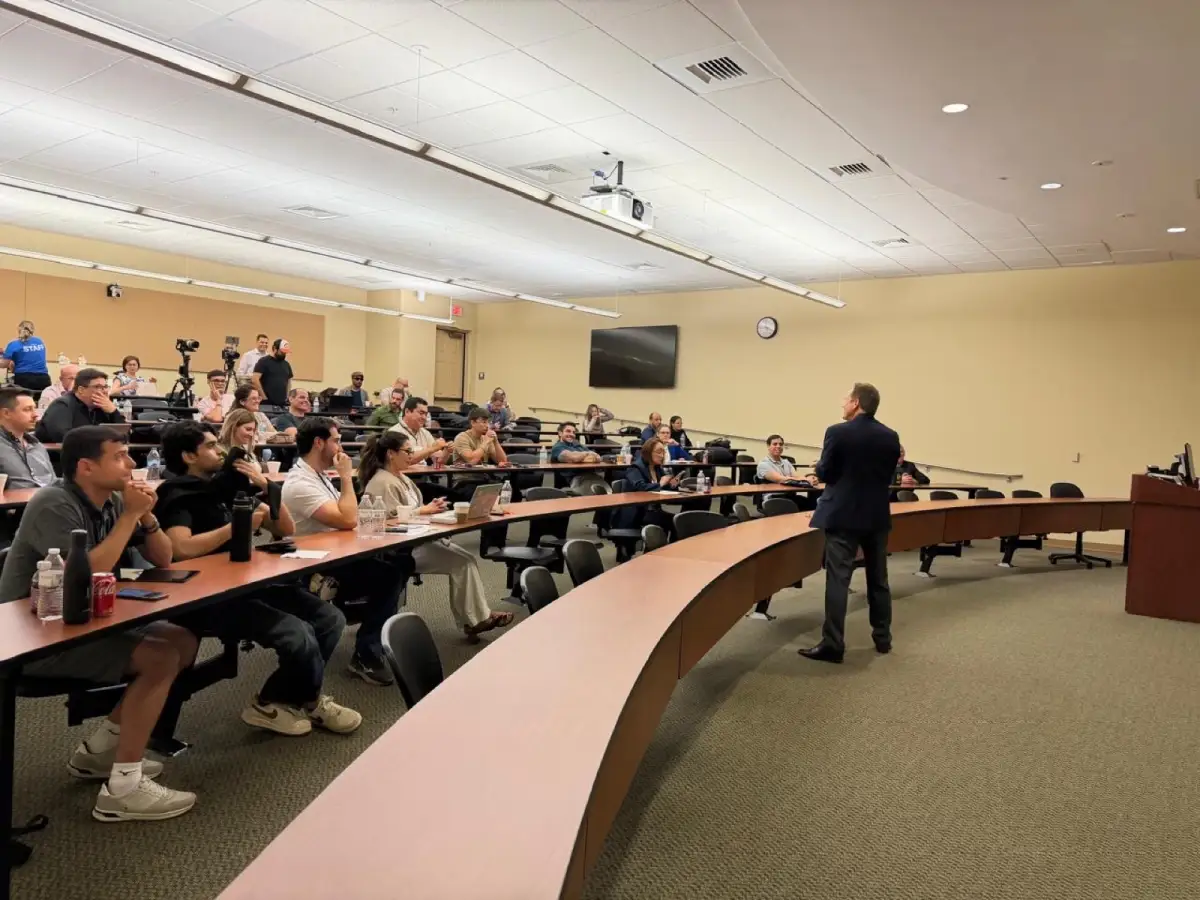

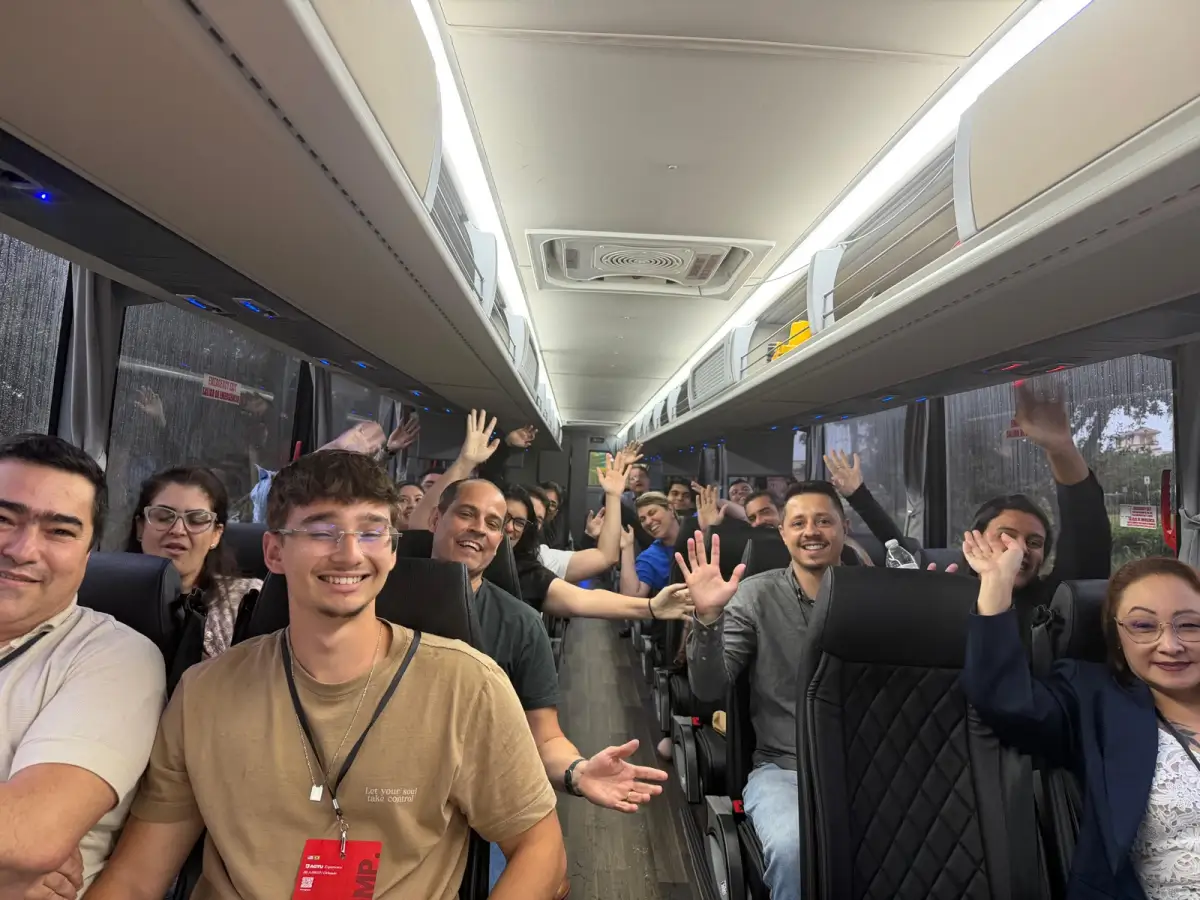

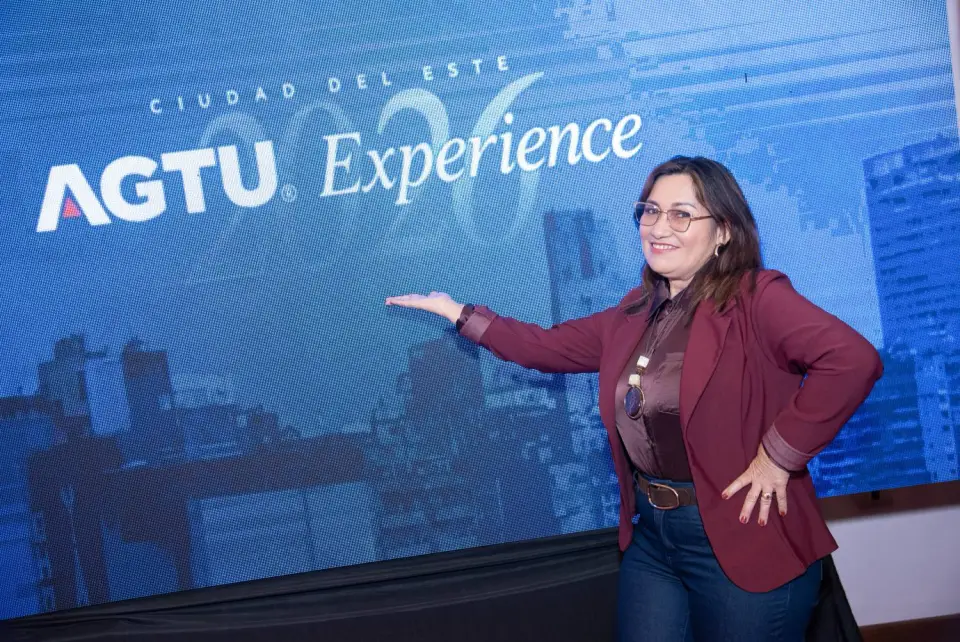
The AGTU Experience Orlando 2026.
Two AGTU master’s students talk about the program and the week they spent in Orlando with classmates from other countries.
Recorded in Portuguese, with English subtitles.
There are no intake dates and no cohort to wait for. You start the week you decide.
Master the modules and the next term opens. There is no cap, and no minimum either. You pay one term at a time, and each term can be split into installments.
The Intensive pace takes about six months; the Standard pace, about nine. The price is the same.
What you need to enroll: a bachelor’s degree. You can start the Free Competency Program before sending any documents, and an advisor tells you which academic documents your country requires.
Every term is the same price, whichever route you take.

Start today, study this week.
Your country sets your scholarship from the first term.
Each term is designed for six weeks and closes with an assessment. Master the modules sooner and the next term opens sooner. There is no cap, and no minimum either.Each term is designed for six weeks. Master the modules sooner and the next term opens sooner — no cap, and no minimum either.
| Pace | Months to graduate | Total study time | You’d graduate around |
|---|---|---|---|
| Extended | 12 months | 52 weeks | — |
| Standard | 9 months | 39 weeks | — |
| Intensive | 6 months | 26 weeks | — |
Six weeks is the design, not the ceiling: once you have mastered a term’s modules you move on. There is no credit cap, and no minimum pace either. You are not charged more for taking longer, or less for finishing sooner. The calendar stops being a financial decision and goes back to being yours.Six weeks is the design, not the ceiling. The price is the same at any pace — the calendar stops being a financial decision and goes back to being yours.
Every admitted student receives an automatic scholarship based on where they live, up to 81% off, set by your country of residence. No essay, no committee, no waiting list.
a month, before your scholarship
— total for the program, paid as a first payment, then 18 monthly payments, with tuition, fees and materials included
Choose your country to see your scholarship. Every admitted student receives one.
The price is fixed for the whole program: the pace changes the calendar, never the total. Your price is set by your country of residence.
Move at your own speed, start at no cost, or let your country set your tuition. They can be combined, and most students use all three.
Start a full competency at no cost and earn a certificate that is yours to keep, whatever you decide next.
ExploreYour country sets your tuition, with up to 81% off applied automatically upon admission.
ExploreNo fixed semesters and no speed limits: finish in as few as six months and pay term by term.
Start nowStudents from more than 21 countries are pursuing the same program as you. Every AGTU student joins an active professional network: people in your field, in your time zone, and often in your country. You can see who they are before you enroll, connect with them on LinkedIn, and ask them anything you would rather not ask an advisor.
Students from more than 21 countries are pursuing the same program as you.
Every AGTU student joins an active professional network: people in your field, in your time zone, and often in your country. You can see who they are before you enroll, connect with them on LinkedIn, and ask them anything you would rather not ask an advisor.
Many of them started exactly where you are now: on this page, wondering whether a master’s degree could really fit their schedule.
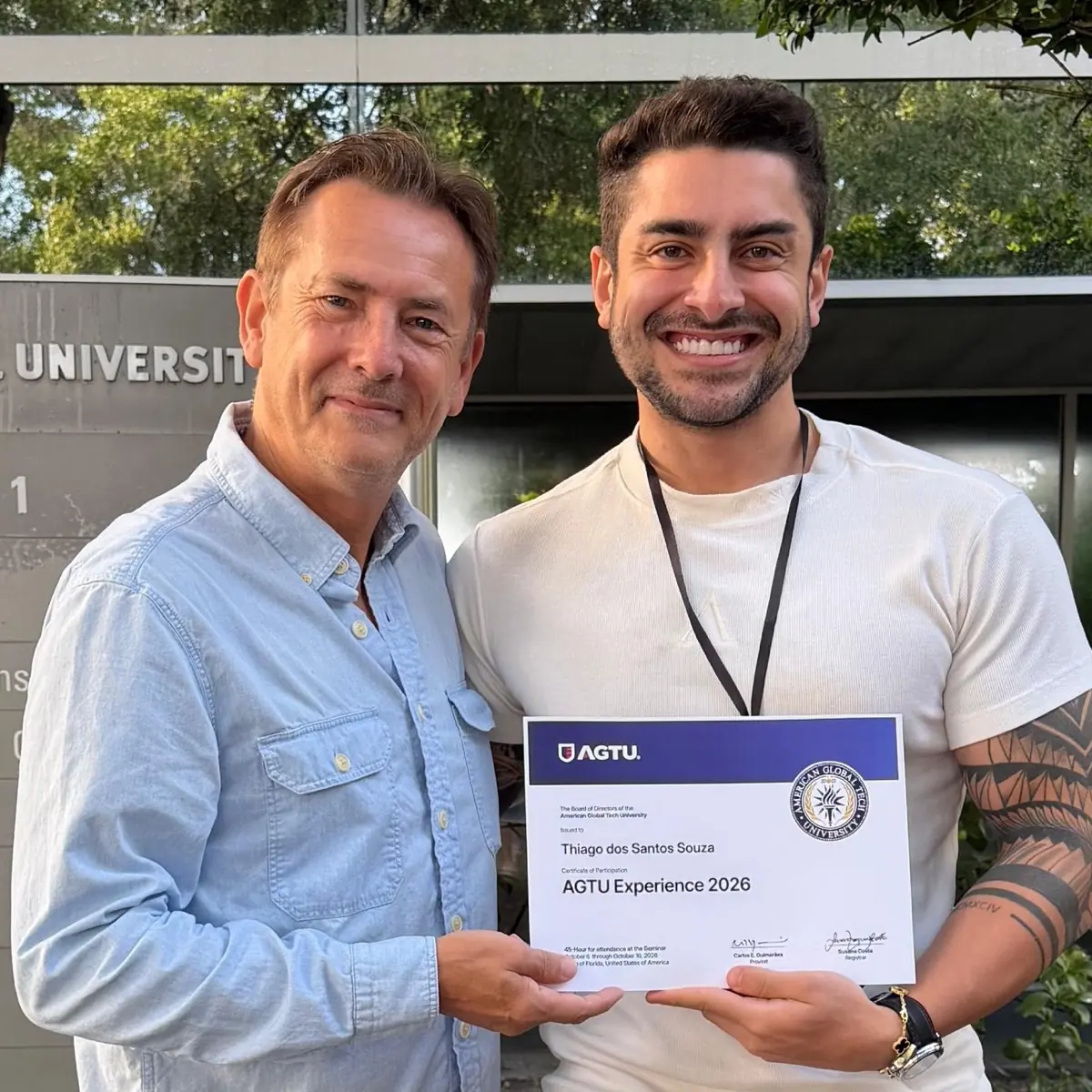

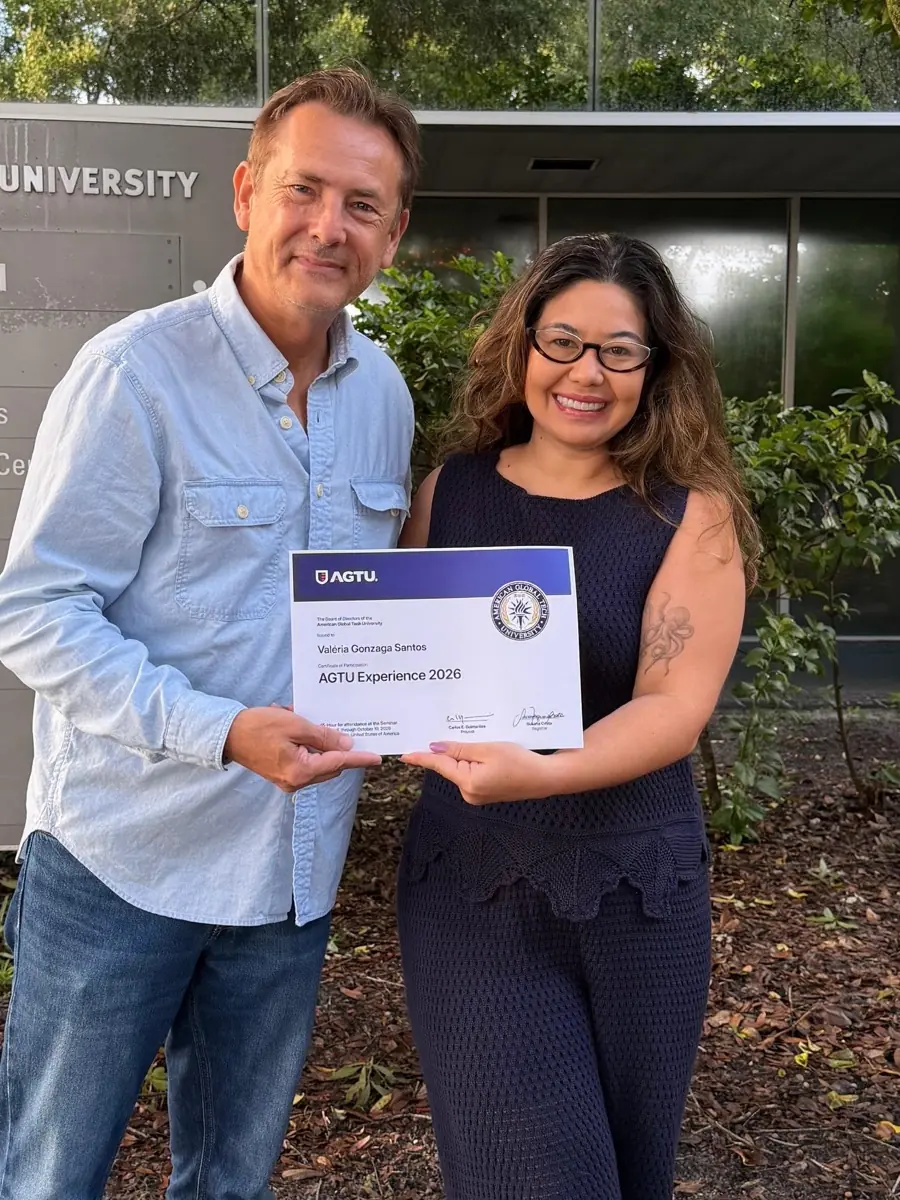

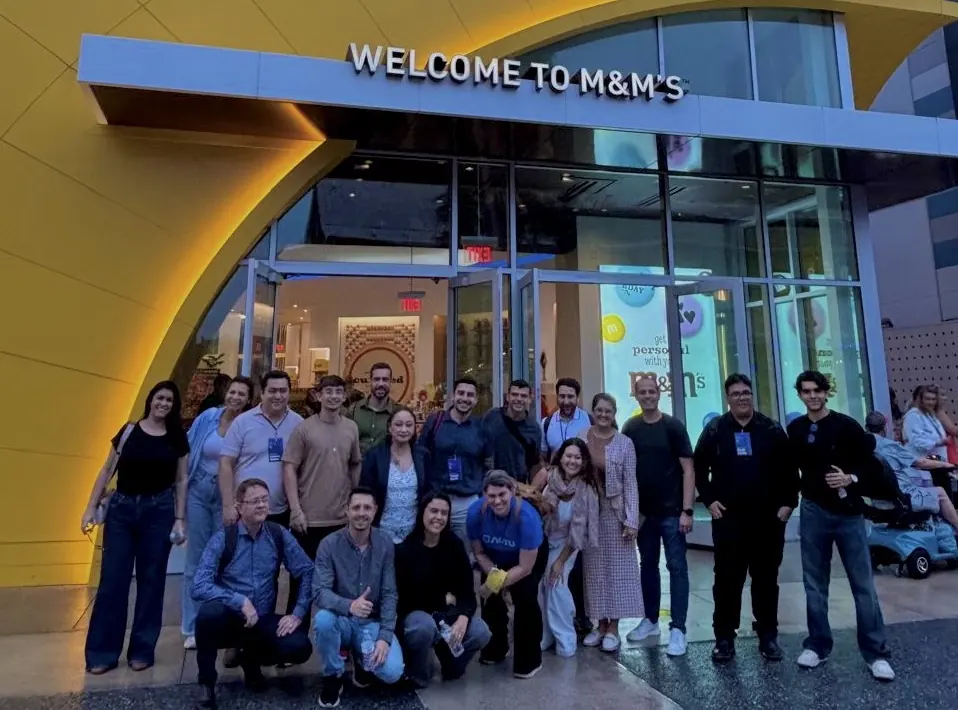
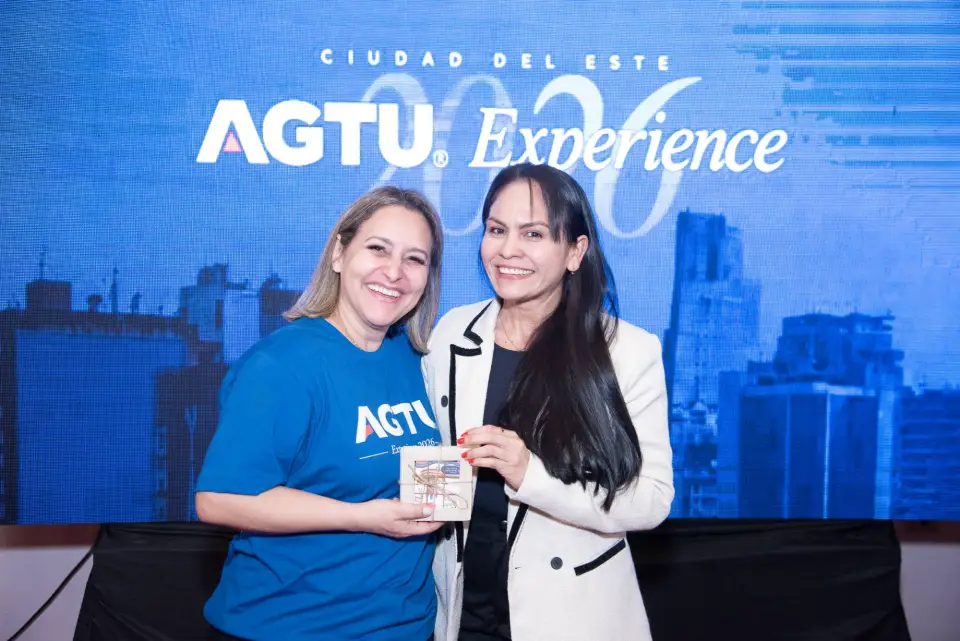
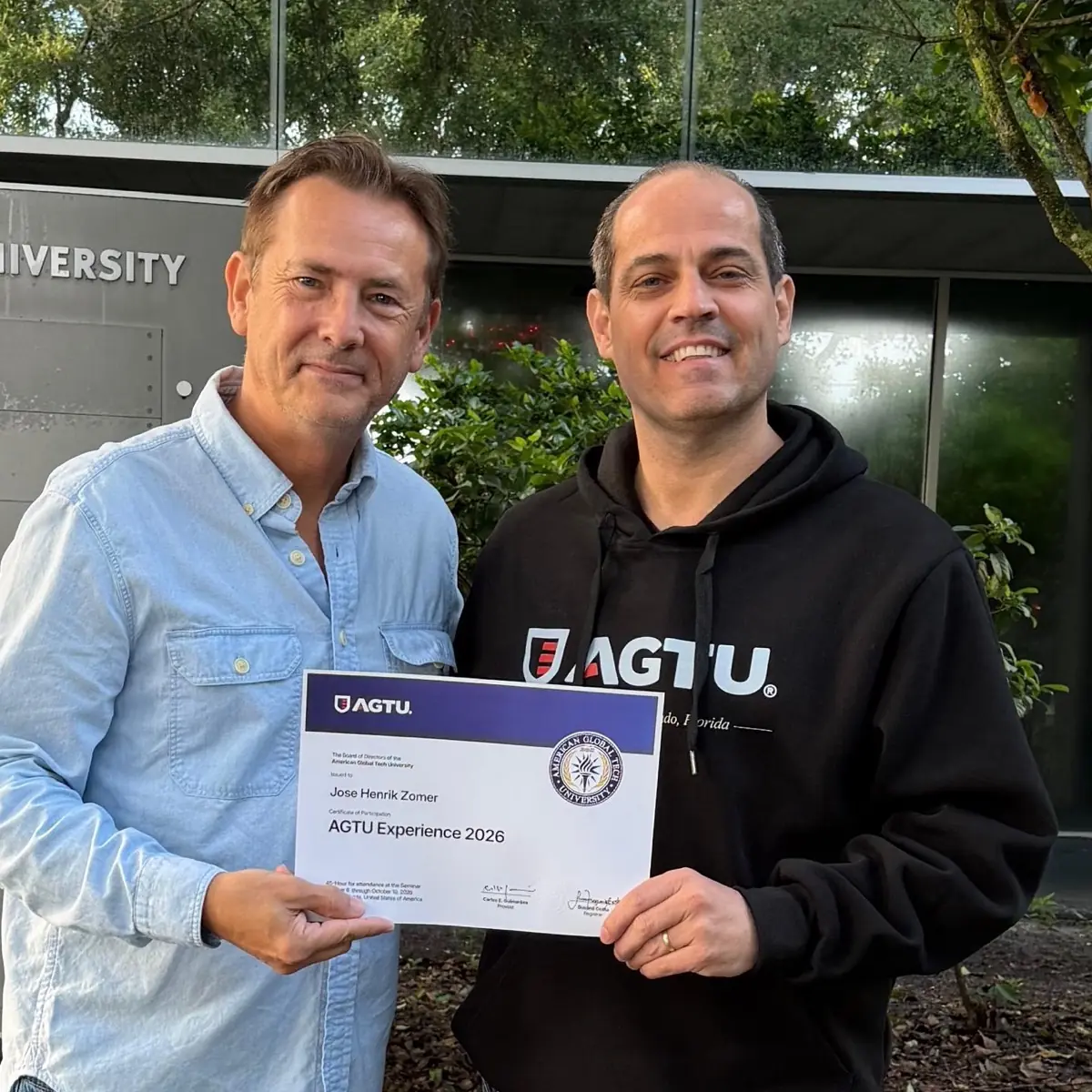
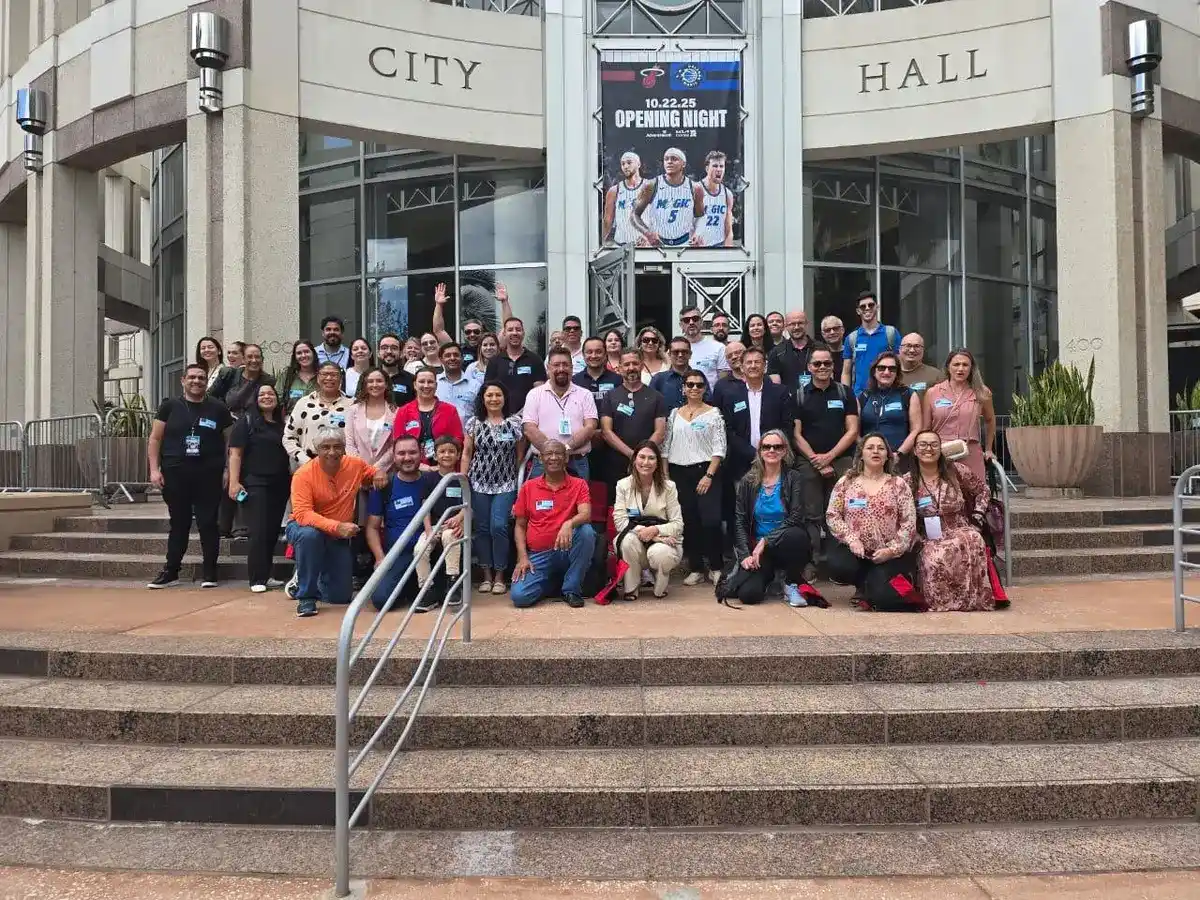
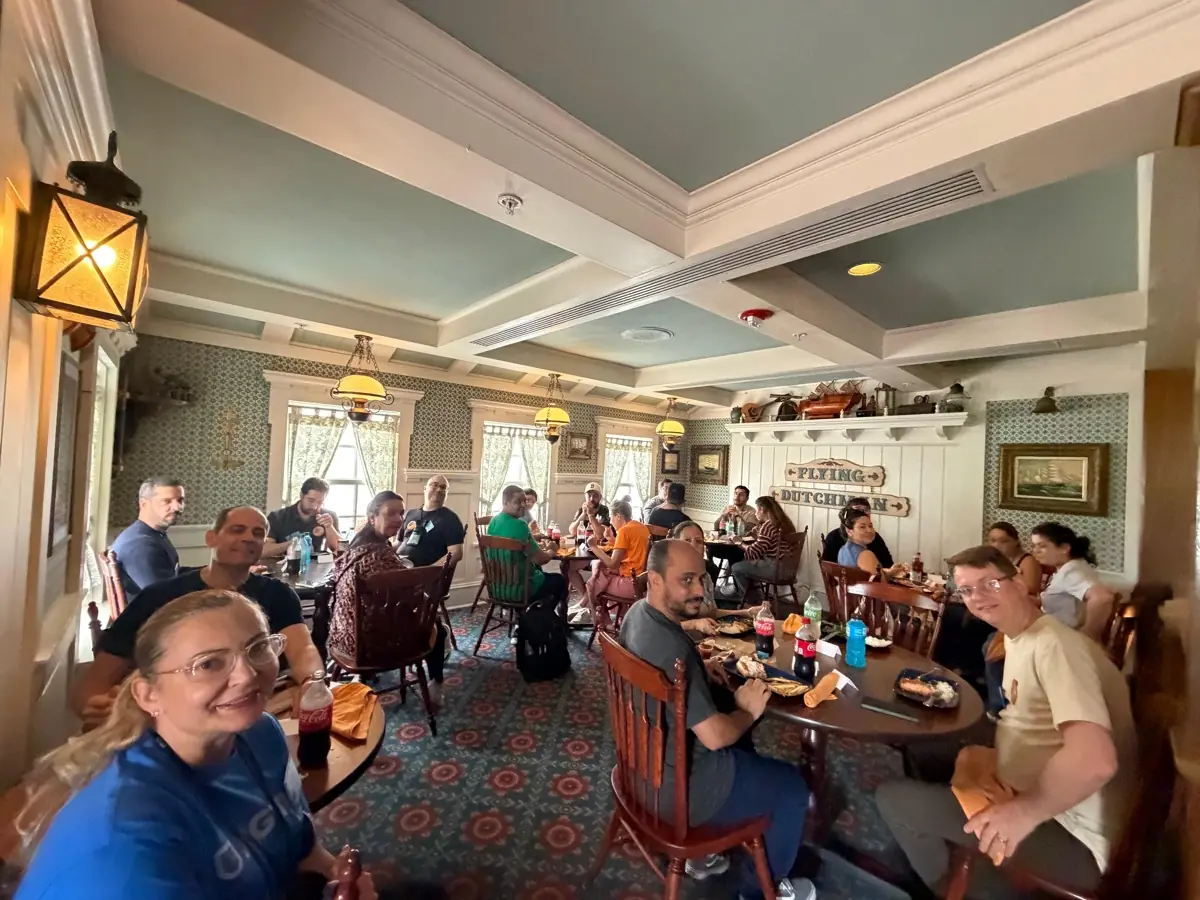
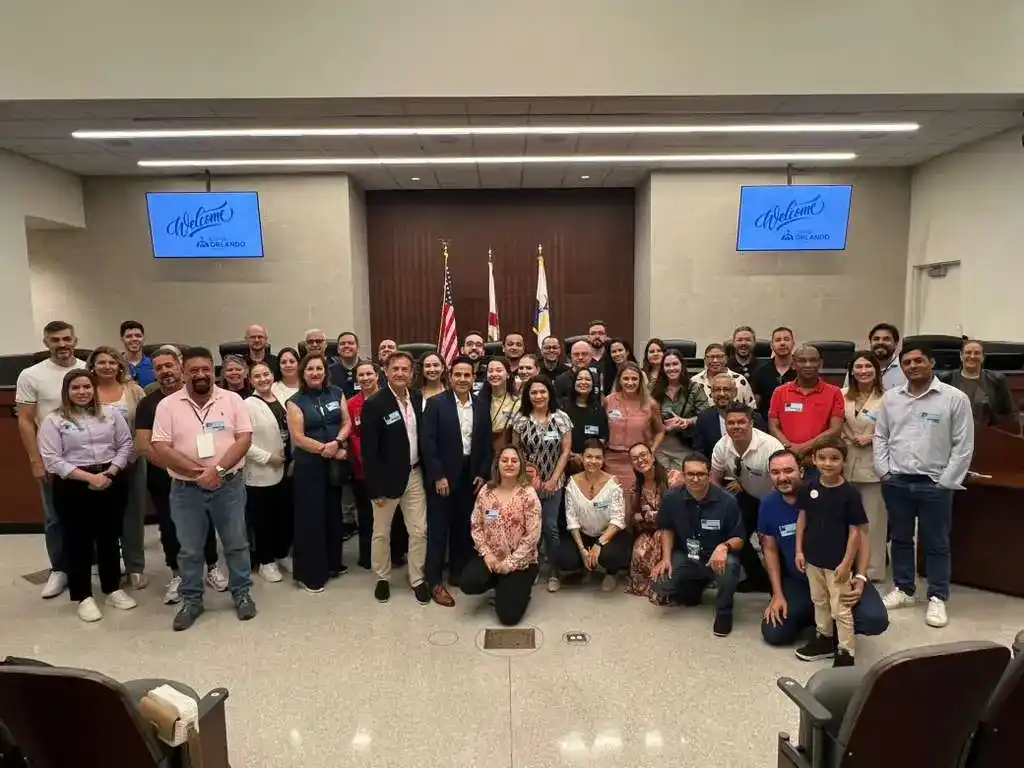
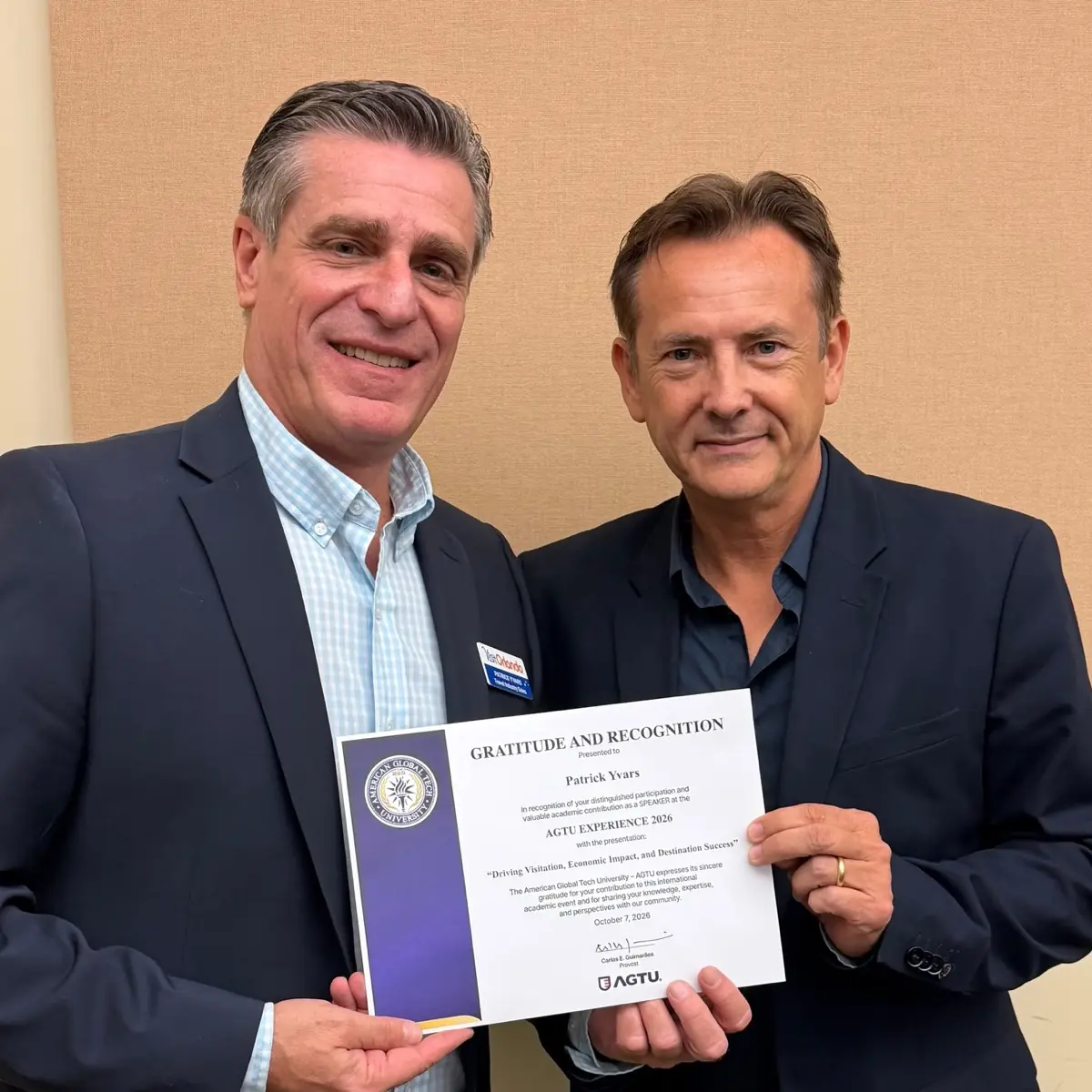
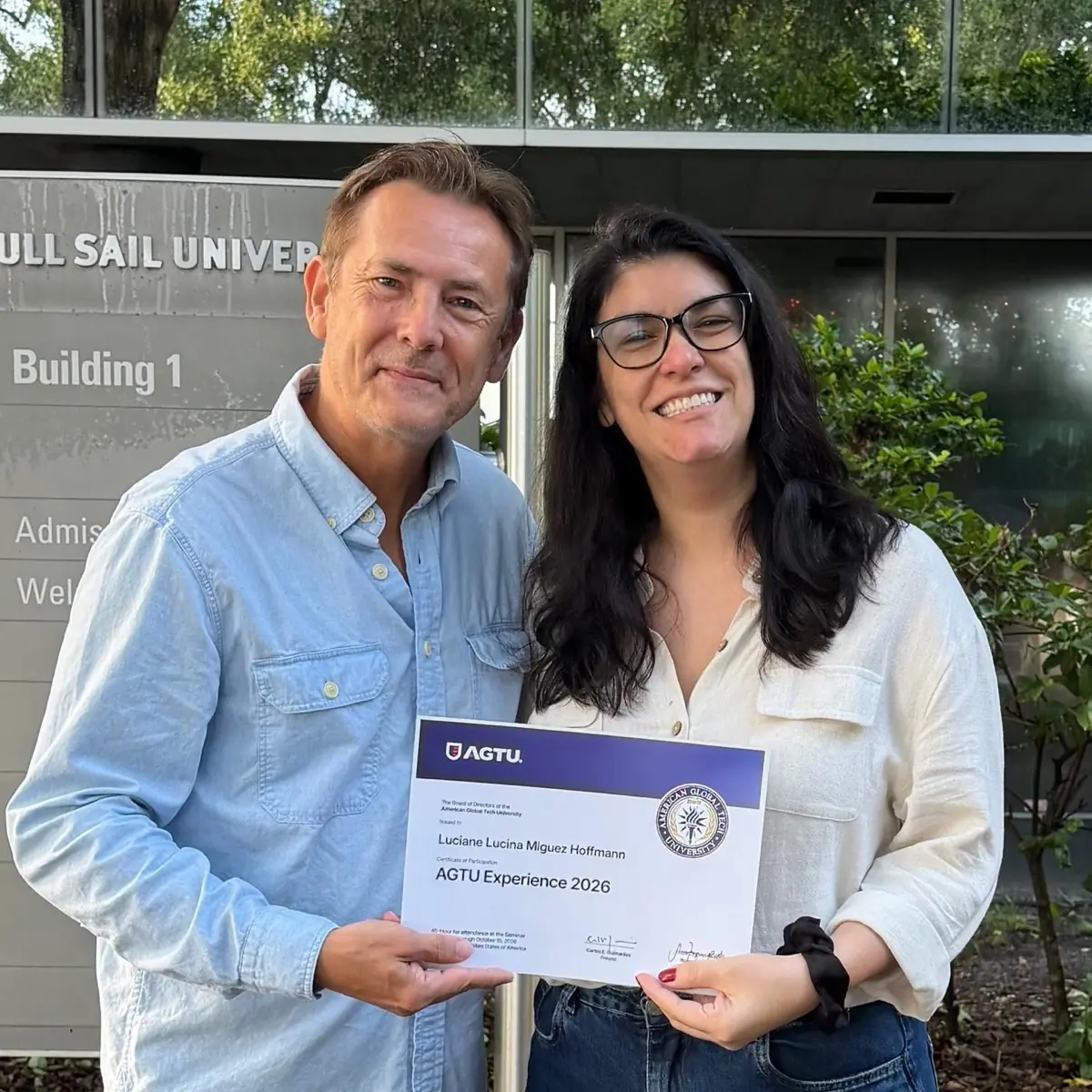

Class of 2026More than 21 countries, one community.
There are no artificial speed limits. Many motivated learners finish in half the traditional time.
Each term unlocks when you complete your required modules and settle the term fee.
Yes. Flexible payment plans are available for each term.
Yes. Your diploma and official transcripts are issued as soon as your balance is paid in full.
Yes: letter grades from A to F, with a full GPA.
Any day. There are no intake dates.
No. The program is delivered entirely online, so there is no visa, no relocation, and no resignation letter. You study from where you already live, around the job you already have, and the credential you receive is the same American degree.
You can. There is no minimum pace.
No. The program is 100% online with recorded lectures, so you study on your own schedule from any time zone. Your tutor and the student forum support you between assessments.
No. It’s applied automatically when you’re admitted, based on your country of residence.
No. The scholarship is based on your country’s economic data, not on your personal finances.
Yes, every term until you graduate.
Not for the free competency program. Formal admission requirements, including academic documentation, apply when you enroll in a degree program.
Four fields, and your price is set. Prefer to ask first? An advisor answers by email or WhatsApp within one business day.

Start any day. Pay one term at a time. Finish when you’re ready.
Four fields, and your first two subjects open.
Start any day. Pay one term at a time, and split any term into installments.
Term fees, installment plans and credential release follow AGTU’s policies as published in the university catalog: official diplomas and transcripts are issued once your account is fully settled. American Global Tech University is licensed by the Florida Department of Education, Commission for Independent Education (License #12506) and accredited by ASIC.



 AC
 RS
 BS
 PB
 BP
 SL
 EC
 PB
 CP
 MA
The people who did it, telling their own stories.
Short videos recorded by AGTU students and graduates: why they started, what a typical study week was really like, and what changed at work afterward.
Class of 2025